09 November 2026
How to Make Gourmet Cheese Pizza at Home
Presented by @louisgxjd764
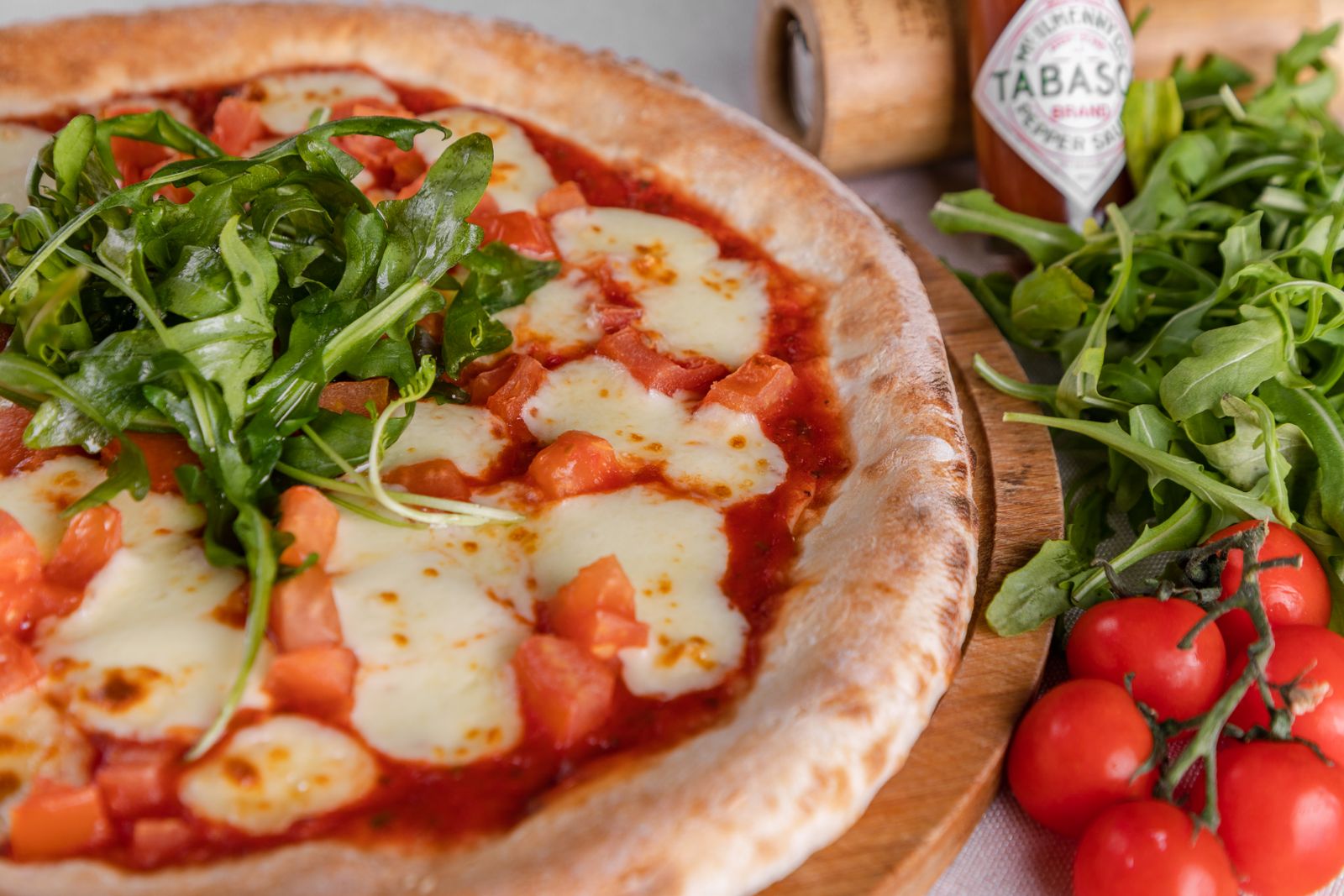

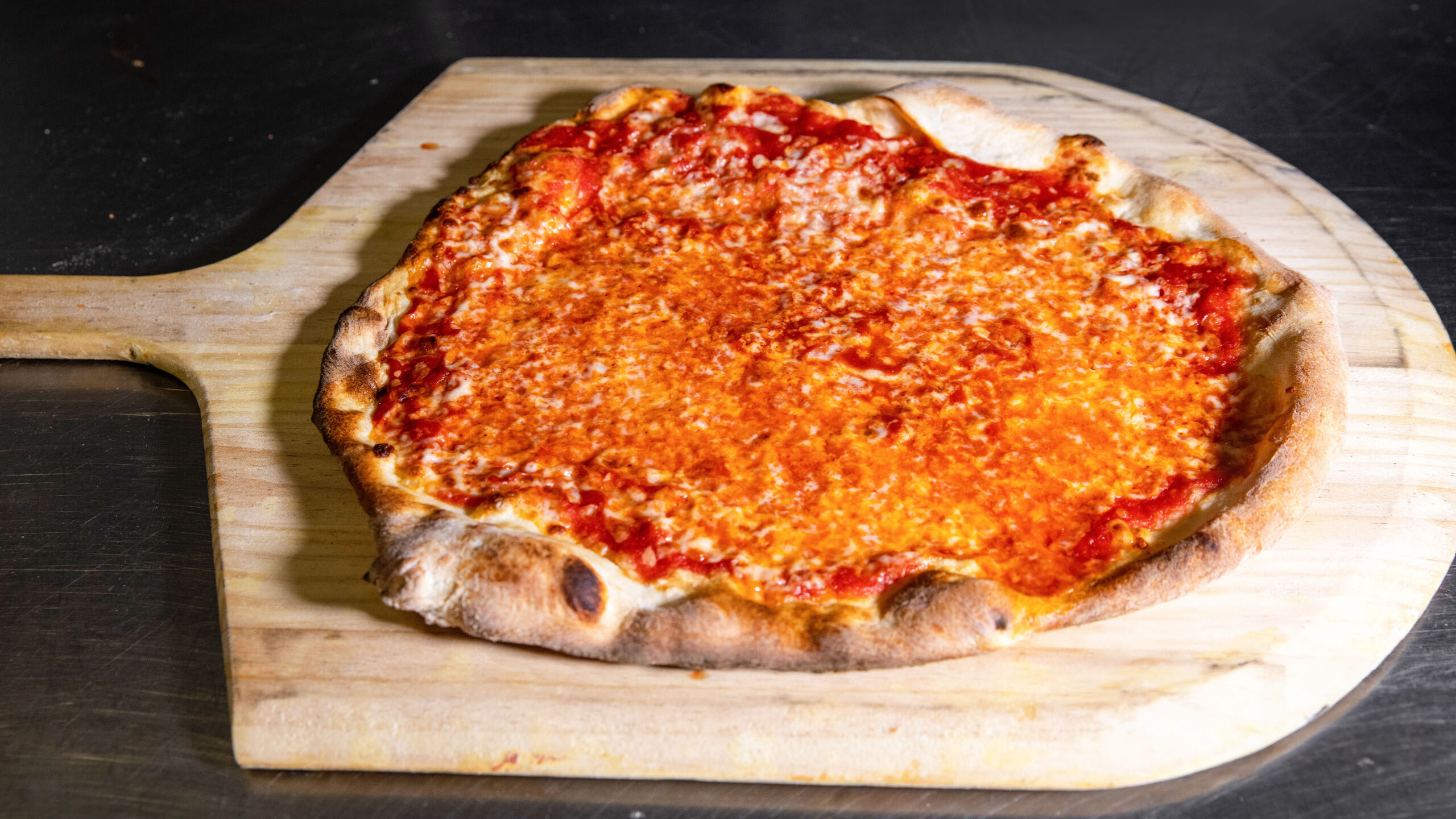
A truly great cheese pizza looks simple, which is part of why it gets underestimated. There are no toppings to hide behind, no cured meats or roasted vegetables to distract from the fundamentals. Every choice is exposed: the dough, the sauce, the cheese, the bake. When each of those parts is handled well, a plain pie becomes something memorable, the kind of pizza that makes people stop talking for a second after the first bite.
Homemade pizza often disappoints for predictable reasons. The dough is rushed, the sauce is too wet, the cheese is generic, or the oven setup never gets hot enough to mimic what happens in a pizzeria. None of those problems are fatal. They just need a little understanding. Once you know where texture and flavor come from, making gourmet cheese pizza at home becomes less mysterious and far more repeatable.
What follows is the method I trust when I want a pizza with a crisp underside, an airy rim, balanced acidity, and a cheese blend that tastes richer than the sum of its parts. It does not require a brick oven. It does require judgment, patience, and a willingness to treat a humble Cheese Pizza like the serious dish it is.
What makes a cheese pizza feel gourmet
The word gourmet gets used loosely, but on pizza it usually comes down to precision rather than luxury. Expensive ingredients alone do not guarantee a better pie. A ball of imported mozzarella dumped onto underproofed dough is still a mediocre dinner.
A gourmet cheese pizza has contrast. The crust should be deeply browned in spots, with a thin crisp layer underneath and enough internal structure to fold without collapsing. The sauce should taste like tomatoes, not sugar or dried oregano. The cheese should melt evenly, blister a little, and stretch without flooding the surface with Cheese Pizza oil. Most importantly, each bite should stay in balance. If the crust dominates, it feels dry. If the cheese dominates, it feels heavy. If the sauce dominates, the center turns soggy.
At home, the biggest upgrade comes from respecting moisture. Water is the quiet force behind most pizza failures. Wet dough can be wonderful, but only if it is handled correctly. Wet mozzarella can be delicious, but only if it is drained. Sauce needs restraint. Home cooks tend to overapply all three, then wonder why the pizza seems pale and limp. A gourmet result often comes from doing slightly less than instinct tells you.
Start with dough that has time to develop
If there is one place where patience pays off, it is dough. Flour, water, salt, and yeast are not complicated, but they are alive with change once mixed. Give the dough enough time and it develops flavor, extensibility, and a lighter crumb. Rush it and the crust tastes flat, bakes up dense, and fights you during shaping.
For a home oven, I like a dough hydration around 62 to 68 percent, depending on the flour and your comfort level. That means for 500 grams of flour, you are using roughly 310 to 340 grams of water. Bread flour gives more chew and strength. A mix of bread flour and all-purpose flour can be a smart compromise if you want a crust that is both crisp and tender. Salt should sit around 2 percent of the flour weight, and yeast can stay quite low if you are cold fermenting overnight or longer.
A simple formula might look like this in practice: 500 grams flour, 325 grams water, 10 grams salt, and a very small amount of instant yeast, somewhere around 1 to 2 grams for a slower fermentation. Mix until no dry flour remains, let it rest for 20 minutes, then knead or fold until smooth. After that, let time do the hard work.
An overnight fermentation in the refrigerator is enough to improve flavor noticeably. Twenty four to seventy two hours is even better, as long as the dough is not overproofed. The difference is easy to taste. A same-day dough often tastes one-dimensional. A cold-fermented dough develops a subtle tang and sweetness that make a Cheese Pizza taste fuller without any extra toppings.
When you are ready to bake, portion the dough and let it come toward room temperature for one to two hours, depending on the warmth of your kitchen. Cold dough resists stretching and tends to spring back. Properly tempered dough opens more easily and traps gas in the rim, which is where that attractive puffy edge comes from.
The sauce should support, not overwhelm
On a cheese pizza, sauce is not just a red layer. It is the acidic counterweight to dairy and bread. A good pizza sauce tastes clean and bright. It should wake up the palate, not coat it.
Many excellent pizzas use uncooked sauce, especially when the tomatoes are high quality. Crushed whole canned tomatoes are often the best starting point because they tend to have better texture and flavor than pre-pureed products. San Marzano style tomatoes can be very good, though not every can wearing that label is extraordinary. Taste matters more than branding.
For a classic approach, crush the tomatoes by hand or pulse them briefly. Add salt. That may be enough. If the tomatoes are very sharp, a tiny drizzle of olive oil can round them out. If they are weak, a pinch of salt helps more than dried herbs ever will. Garlic can be pleasant in small amounts, but on a cheese pizza I usually keep it restrained. Too much garlic dominates quickly, especially in a pie with no meat or vegetables to absorb it.
The other key is quantity. Most home pizzas need less sauce than people think. For a 10 to 12 inch pizza, somewhere around 60 to 90 grams is often plenty. You want a thin, even coating, with a bare border around the rim. A thick pool of sauce traps steam and prevents browning. That is one reason so many homemade pizzas emerge with a gummy center.
Cheese is where most of the character lives
If you want a gourmet Cheese Pizza, stop thinking in terms of one bag of shredded mozzarella. That route is convenient, but it rarely gives the best flavor or texture. Pre-shredded cheese often contains anti-caking agents that interfere with melt, and the flavor profile is usually blunt.
A better approach is to blend cheeses with intention. Low-moisture whole milk mozzarella is the workhorse because it melts evenly, browns nicely, and brings the familiar pizza flavor most people expect. Fresh mozzarella contributes a softer, milky richness, but it must be drained well. If you slice it and put it on straight from the package, the water it releases can ruin the bake. I usually tear or slice it, set it on paper towels or a clean cloth for at least 20 to 30 minutes, and blot the surface before using it.
For depth, add a small amount of a firmer aged cheese. Parmigiano Reggiano, Grana Padano, pecorino, or a good aged provolone can transform the pie. You do not need much. Think of these cheeses as seasoning, not bulk. A tablespoon or two finely grated over the base layer of mozzarella sharpens the entire pizza.
Fontina is another excellent choice if you want a more luxurious melt. It brings nuttiness and a supple texture, though it can become rich quickly. Taleggio is delicious in tiny amounts for an earthy note, but it is strong enough that a little goes a long way. The goal is not to create a cheese board on dough. The goal is to build a blend with stretch, salt, creaminess, and complexity.
For a 12 inch pizza, a total cheese weight around 140 to 180 grams is a sensible range, depending on the style. More than that and the surface can become heavy and greasy. Less than that and the pie may feel austere unless the crust and sauce are exceptional.
Heat matters more than almost anything else
Most home ovens are capable of better pizza than they are given credit for, but they need help. Pizza thrives on intense bottom heat and strong overall heat. Without that, the crust dries out before it browns, or the cheese overcooks while the base stays pale.
A baking steel is the strongest upgrade you can make if you plan to bake pizza regularly. A stone works too, but steel transfers heat faster and produces more aggressive oven spring and bottom browning. Place it in the upper-middle or middle rack position, depending on Cheese Pizza Brooklyn Pizza how your oven behaves. Preheat for at least 45 minutes, and preferably an hour, at the highest temperature your oven allows. In many homes that will be 500 to 550 degrees Fahrenheit.
If your broiler is strong, use it strategically. Bake the pizza until the crust is set and the bottom has taken color, then switch to broil for a minute or two if the top needs more spotting. Keep a close eye on it. The gap between beautifully blistered cheese and scorched disappointment can be less than 30 seconds.
Cast iron can also work very well, especially for people who struggle with transferring dough to a stone or steel. A preheated cast iron pan gives impressive bottom browning and can produce a crisp, chewy crust with less stress. It is not exactly the same as a free-form pie on steel, but it is far closer to pizzeria quality than many people expect.
Shaping without knocking the life out of the dough
The airy edge of a good pizza comes from gas preserved in the outer rim. If you flatten the dough aggressively with a rolling pin, much of that structure disappears. You can still make an acceptable pizza that way, but it will have a flatter, more cracker-like character.
Gentle hand stretching is worth learning. Start with a floured work surface and dust the dough lightly. Press the center outward with your fingertips, leaving a thicker border around the edge. Rotate as you work. Once the disk is broad enough, lift it and let gravity help stretch it, moving your hands around the perimeter rather than tugging from one spot.
If the dough keeps shrinking back, it is telling you one of two things. Either it is still too cold, or the gluten needs to relax. Set it down, wait 10 minutes, and try again. Fighting stubborn dough usually makes it worse.
Aim for moderate thinness in the center. The home cook's common mistake is making the middle too thick because it feels safer. That thick center then struggles to bake through before the cheese overbrowns. A slightly thinner center gives you a better chance at the crisp-tender texture that defines strong pizza.
Assembly is where restraint pays off
Once the dough is shaped, work efficiently. If it sits too long with sauce on top, it can stick and soften. If you are using a peel, make sure the dough still slides before it goes into the oven.
Spread the sauce in a thin spiral, stopping short of the rim. Scatter the cheese evenly rather than piling it in the middle. Uneven cheese distribution creates uneven cooking, and big clumps can release excess oil before the rest of the pie catches up.
This is also where small finishing touches can separate a good homemade Cheese Pizza from a gourmet one. A light dusting of finely grated Parmigiano under the mozzarella creates a savory base note. A few tiny droplets of olive oil can help with browning if the cheese blend is very lean. A pinch of flaky salt on the rim just before baking can sharpen the crust, especially if your dough was conservatively seasoned.
You do not need many embellishments. A cheese pizza is at its best when it remains recognizably itself.
Baking and reading the pie in real time
The first few minutes of baking tell you a lot. If the rim puffs quickly and the underside sets, your oven and dough are in a good place. If the center looks wet and motionless after several minutes, you may have overloaded the toppings or underheated the baking surface.
Bake time varies widely by oven setup, usually somewhere between 6 and 10 minutes in a very hot home oven. A steel at 550 degrees Fahrenheit may finish a pizza on the lower end of that range. A stone at 500 may take longer. Rather than trust the clock alone, look for visual cues.
The rim should be golden with darker blisters here and there. The cheese should be fully melted, with some bronzed spots but not a uniform brown cap. The underside should have firm color, not just a faint beige tint. If you lift the pie and the center droops like fabric, it likely needed either more heat from below or less moisture on top.
One of the great pleasures of making pizza at home is learning your oven's personality. Some ovens run hot at the back. Some have weak top heat. Some lose a shocking amount of heat every time the door opens. Once you notice those quirks, you can compensate. Rotate the pizza halfway through if one side colors faster. Move the rack up or down if the top and bottom are finishing out of sync.
Finishing touches that elevate the whole pie
When the pizza comes out, give it a minute before slicing. Not ten minutes, not even five. Just enough time for the molten cheese to settle so it does not slide off in one sheet. That brief rest also helps the steam inside the crust redistribute, which improves texture.
A final grating of Parmigiano can be lovely if used sparingly. Fresh basil is classic, but make sure the leaves are dry and add them after baking unless you specifically want them crisped. A whisper of good olive oil can bring aroma, though this depends on the cheese blend. Rich cheeses may not need it. Cracked black pepper can be excellent on a white-leaning cheese profile, but it should not dominate a tomato-forward pie.
One finishing move I return to often is brushing just the outer rim with a little olive oil as soon as the pizza leaves the oven. It catches the heat, releases fragrance, and gives the crust a polished look and a more delicate chew. It is a small touch, but people notice it without always knowing why the pizza seems more restaurant-like.
Where homemade cheese pizza usually goes wrong
Most disappointing results trace back to a few repeat issues. The dough is underfermented, which produces blandness and tight texture. The sauce is overapplied, which keeps the center wet. The cheese is too moist or too abundant, which leads to pooling and grease. The oven is not fully preheated, which leaves the crust pale. Sometimes all of these problems show up at once.
Flour can also trip people up. A very strong bread flour can make dough chewy in a good way, but if hydration is low and fermentation is short, it can turn tough. On the other hand, a softer all-purpose flour can be wonderful for a tender crust, but if pushed too wet without enough handling skill, it may feel fragile. There is no single perfect flour. There is only the flour that suits your preferred style and technique.
Then there is the question of sugar and oil in the dough. Both can be useful, especially in lower-temperature home ovens. A little olive oil can improve tenderness, and a small amount of sugar can encourage browning. But too much of either pulls the dough toward a more bread-like, less nuanced crust. If your goal is a gourmet cheese pizza with a clean, pizzeria-style profile, I would use these additions lightly, if at all.
Ingredient choices that are worth spending on
Not every component needs to be premium, but a few are worth your money. Good canned tomatoes matter. Decent mozzarella matters. Flour from a reliable mill matters. Olive oil matters if you are using it as a finishing ingredient, where its flavor remains obvious.
On the other hand, you do not need rare artisanal salt or imported water or some precious yeast strain. Pizza has a way of rewarding practical investments over glamorous ones. Spend where your palate can actually detect the improvement.
If you are making pizza often, buy whole cheese and grate or tear it yourself. This single habit improves melt and flavor immediately. If possible, keep more than one cheese in the house and blend according to mood. A predominantly mozzarella pie with a touch of aged provolone tastes very different from one sharpened with pecorino. Neither is more correct. Both can be excellent.
The rhythm that makes it sustainable
The best home pizza routine is the one you will actually repeat. For many people, that means mixing dough the night before, making or portioning sauce ahead of time, draining fresh mozzarella while the oven preheats, and shaping one pizza at a time rather than trying to stage everything at once.
There is real value in making the same pie several times before changing variables. Use one dough formula for three weekends in a row. Notice how 24 hours of fermentation compares with 48. Notice whether your preferred cheese weight is closer to 150 grams or 175. Keep track of where the steel sits and how long you preheat. Gourmet cooking is often less about dramatic inspiration than about tightening the margins on repeated attempts.
A proper Cheese Pizza is one of the clearest tests of cooking judgment I know. It asks for control instead of excess. It rewards patience more than showmanship. And when you get it right, the result feels both elegant and deeply comforting, a familiar food made vivid again by attention to detail.
That is the real pleasure of making gourmet cheese pizza at home. You are not chasing novelty. You are taking one of the most recognizable dishes in the world and proving how good it can be when every element is treated with respect.
Brooklyn Pizza
1647 Arapahoe Ave
Boulder, CO 80302
+1 720-328-2324
FAQ About Cheese Pizza
What type of cheese is used on a cheese pizza in Boulder, CO?
The cheese varies by pizzeria. Brooklyn Pizza uses whole-milk mozzarella made in-house on its standard pies and offers a plant-based cheese option for vegan pizza. Ask the shop directly about ingredients if you have a dietary restriction.
How many slices are in a large pizza in Boulder, CO?
Slice count depends on how the shop cuts the pie. Brooklyn Pizza lists a 16-inch large pizza. If you are ordering for a group, call to confirm the number of slices or ask whether a smaller cut is available.
What is New York style pizza in Boulder, CO?
New York-style pizza usually has a thin crust and wide slices that can be folded. A classic cheese slice pairs tomato sauce with mozzarella. Brooklyn Pizza serves New York-style pizza by the slice and as whole pies.