09 November 2026
Cheese Pizza Cravings: Quick Fixes and Homemade Ideas
Presented by @louisgxjd764
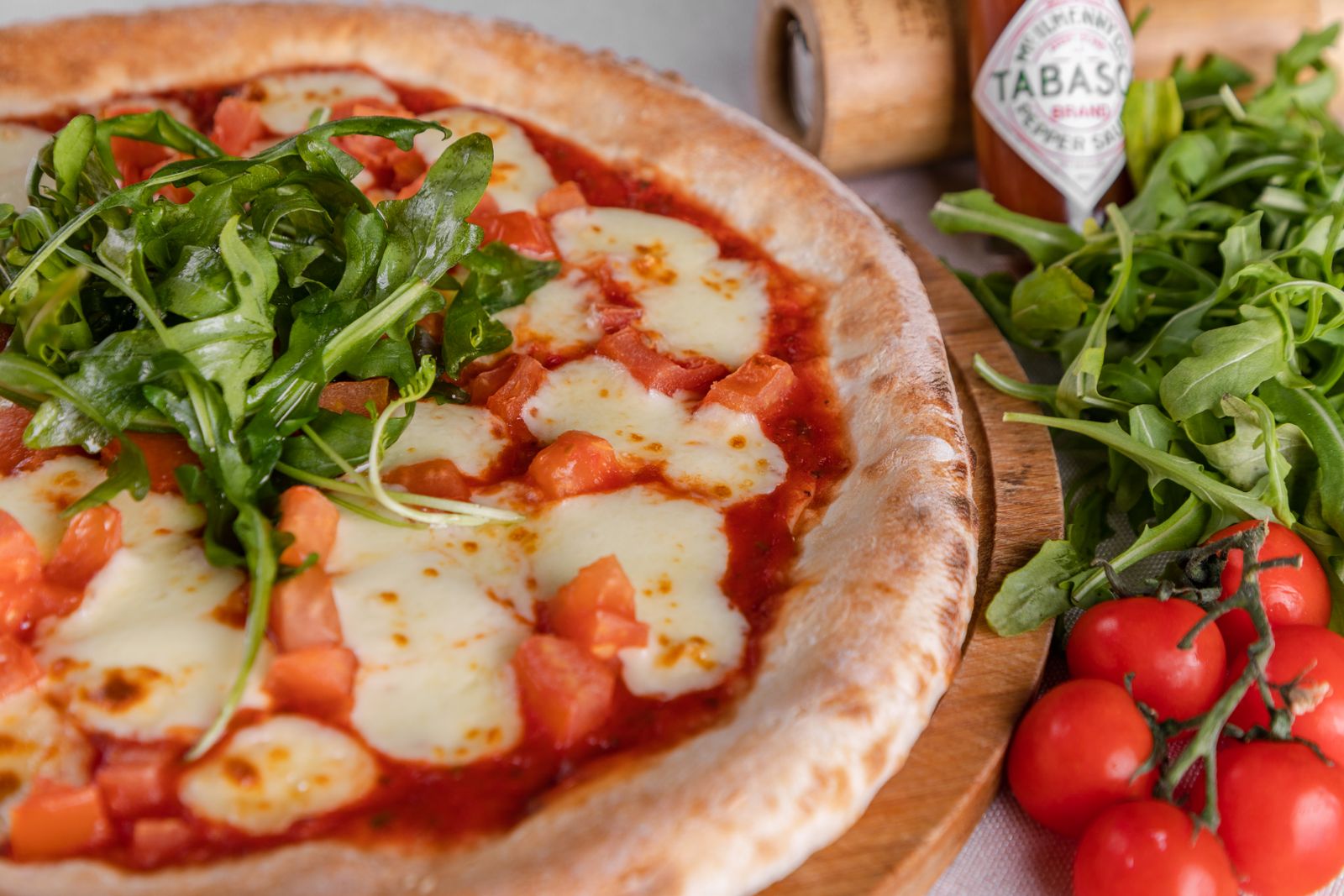
A cheese pizza craving has a way of arriving at the least convenient moment. It shows up at 9:40 on a weeknight when every decent delivery estimate reads 55 minutes. It hits during a rainy Saturday afternoon when the fridge looks sparse, but not quite empty. It appears after travel, after a late meeting, after a long day of feeding everyone else. And brooklynpizzaboulder.com Cheese Pizza unlike vague hunger, this craving is specific. You do not want "something cheesy." You want the browned bubbles, the stretch, the soft center and crisp edge, the clean comfort of tomato, dough, and melted cheese.
That specificity matters. Cheese pizza is simple, but it is not plain. When it is done well, every element has to carry more weight because there are no toppings to hide weak dough, flat sauce, or rubbery cheese. I have made enough homemade pizza to know that the best cheese pizza often comes from restraint, not excess. Fewer ingredients. Better heat. Smarter timing. A little patience where it counts, and a few strategic shortcuts when it does not.
If your craving needs an answer fast, there are ways to get very close to satisfaction with what you probably already have. If you have an hour or two and want a better pie than most takeout, that is also within reach. The difference usually comes down to understanding which corners can be cut and which cannot.
What a cheese pizza craving is really asking for
Most people think they are craving cheese, but in practice they are usually chasing a combination of texture, salt, acidity, and heat. Cheese pizza works because those elements arrive together in one bite. The crust gives chew and structure. The sauce brightens the richness. The cheese delivers fat and salt, but also aroma, especially when it browns in spots. Heat ties the whole thing together. A lukewarm cheese pizza is almost never satisfying, even if the ingredients are excellent.
That is why many quick fixes fail. They mimic the ingredients but miss the sensory details. A microwaved frozen pizza can be edible, but it often lacks crispness. A slice reheated poorly turns greasy before it turns hot. Melted shredded cheese on bread can scratch the same itch for a few minutes, but if the sauce is too sweet or the bread too soft, the craving lingers.
The practical goal is not perfection every time. It is to identify the part of the craving that matters most in the moment. If you need a fast, hot, salty fix, one route makes sense. If you want a real Friday night cheese pizza experience, another does.
The fastest ways to satisfy the craving without ordering delivery
Some quick fixes are honestly worth keeping in your back pocket. Others are only acceptable when hunger has wiped out your standards. The difference is usually heat management and bread choice.
If I need cheese pizza fast, I look first at the starch. A good base can be naan, pita, a flour tortilla for a thin and crisp version, sandwich bread in a pinch, or even a split roll. What matters is whether it can handle direct oven heat without turning tough or soggy. From there, use a restrained amount of sauce, enough to coat but not soak, then top with low-moisture mozzarella. Fresh mozzarella sounds appealing, but for quick pizzas it often leaks too much water unless you blot it well.
Here are the five fastest options that consistently work:
- Naan pizza in a hot oven, usually 8 to 10 minutes at 450°F, gives the best balance of chew and speed.
- Pita pizza cooks even faster and stays crisp if you keep the sauce light.
- Tortilla pizza is excellent when you want a cracker-thin cheese pizza in under 7 minutes.
- English muffin pizzas are nostalgic, reliable, and better than they have any right to be if you toast first.
- A skillet quesadilla-style pizza, folded or open-faced, can satisfy the cheese-and-sauce craving in about 5 minutes.
The common mistake is overload. People pile on sauce because the base looks dry, then they add a thick layer of cheese because more sounds better. But too much of either creates steam. Steam is the enemy of a quick pizza. A modest layer of each gives you browning, and browning is where the flavor lives.
One small trick changes the result more than most people expect. Preheat the baking surface, even if it is just a sheet pan. Sliding your naan or pita onto a hot tray starts crisping the bottom immediately. The difference between a soft quick pizza and a convincing one is often a single minute of high contact heat.
Reheating leftover cheese pizza so it actually tastes good
Leftover cheese pizza can be excellent the next day, but only if you treat it properly. The microwave is fast, but it tends to soften the crust and separate the cheese. If speed is your only priority, use it, but know what you are giving up.
A skillet is better. Place the slice in a dry pan over medium-low heat and let the bottom recrisp for a few minutes. Add a drop or two of water to the empty part of the pan, then cover briefly to re-melt the cheese without drying out the crust. This method sounds fussy, but it is not. It takes about 5 minutes and restores contrast, crisp base, soft cheese, warm sauce, which is exactly what stale pizza lacks.
An oven or toaster oven works well too, especially for multiple slices. Set it around 375°F to 400°F and reheat until the cheese loosens and the bottom regains firmness. If the slice started life as a very thin New York style cheese pizza, watch it closely. Thin slices go from revived to brittle quickly.
Cold cheese pizza has its defenders, and sometimes they are right. But cold pizza is its own food. It is not a substitute for the hot version your craving probably had in mind.
Why homemade cheese pizza often beats takeout
This may sound counterintuitive because restaurants have hotter ovens and years of repetition, but homemade cheese pizza has one major advantage: control. You can tune the sauce, choose the cheese blend, decide how dark the crust gets, and pull the pie when it is actually ready instead of when it fits the kitchen's pace.
Cheese pizza is where that control matters most. On a topping-heavy pie, a slightly bland sauce may go unnoticed. On a plain pie, it stands out. On a meat-loaded pizza, a mediocre cheese blend can hide under sausage and pepperoni. On a cheese pizza, it cannot.
You also have a financial reason to make it yourself. A homemade cheese pizza, even with good flour, quality canned tomatoes, and a decent mozzarella, often costs a fraction of takeout. The savings are not the only point, but they are real. If you make pizza once or twice a month, the routine becomes second nature and the results improve fast.
The emotional side should not be ignored either. There is a particular satisfaction in stretching dough, hearing it hit a hot surface, and catching that first toasted smell from the oven. Homemade pizza feels generous. It fills the house with a signal that dinner is happening, and happening well.
The ingredients that matter most
People like to overcomplicate pizza, but cheese pizza rewards a short ingredient list and good judgment. Flour matters, but not enough to stop you from using all-purpose if that is what you have. Tomatoes matter, though less for brand prestige than for balance. Cheese matters a lot, particularly moisture level and melt behavior.
For most home cooks, low-moisture whole milk mozzarella is the safest starting point. It melts evenly, browns well, and does not flood the pie. Part-skim mozzarella can work, but it often tastes flatter and stretches less luxuriously. Fresh mozzarella has a clean dairy flavor that can be beautiful, though it needs draining and restraint. If you scatter too much fresh mozzarella on a home pizza, the center can turn wet before the crust finishes.
A little provolone can deepen the flavor without making the pizza taste blended or busy. A small amount of pecorino or parmesan over the top adds sharpness and improves browning. But moderation matters. Once the pizza starts tasting heavily of aged cheese, it loses the pure comfort that makes cheese pizza special.
Sauce should be bright, not sugary. Many home cooks improve their pizza immediately by using less sauce and seasoning it less aggressively. Crushed tomatoes with salt, maybe a touch of olive oil, maybe a little grated garlic, are often enough. Long-cooked pasta sauce is usually too heavy and too sweet for a classic cheese pizza.
Dough, the part people either overthink or ignore
Dough gets mystical treatment online, but good pizza dough is practical. It needs enough water to stay extensible, enough fermentation to develop flavor, and enough time to relax so it stretches without a fight. Everything beyond that is refinement.
If you want a same-day dough, you can make one in the afternoon and bake at dinner. It will not have the complexity of a cold-fermented dough, but it can still make a very good cheese pizza. If you can plan ahead, an overnight or 24-hour refrigerator rise gives you better flavor and easier handling.
The biggest beginner error is flouring the dough heavily while shaping because it feels sticky. A sticky dough is not necessarily a bad dough. Too much bench flour toughens the exterior and can leave a dusty raw taste on the bottom. Another common mistake is under-proofing. Dough that snaps back aggressively is telling you it is not ready, or not relaxed enough, or both.
For a dependable home batch, I keep the formula simple:
- Use bread flour if you want more chew, all-purpose if you want a slightly more tender crust.
- Aim for a dough that feels soft and tacky, not stiff.
- Let it rise until noticeably airy, then refrigerate if time allows.
- Bring it closer to room temperature before shaping so it stretches cleanly.
- Bake on the hottest surface your kitchen setup allows.
That last point matters more than fancy ingredients. Pizza is a heat game. A hot oven with a preheated steel or stone will improve your result more than an expensive can of tomatoes ever will.
Sauce decisions that change the whole pie
There are two schools of thought with cheese pizza sauce. One favors a raw or nearly raw tomato sauce that cooks on the pizza. The other uses a lightly simmered sauce to concentrate flavor and drive off moisture. Both work. The better choice depends on your oven and your dough.
In a very hot oven, a raw sauce often tastes fresher because it cooks quickly and keeps its brightness. In a cooler home oven, a lightly cooked sauce can help prevent a watery center. That does not mean making a full pot of marinara. It means simmering crushed tomatoes for 10 to 15 minutes until they thicken slightly, then seasoning simply.
Sugar is rarely necessary if your tomatoes are decent. If your canned tomatoes are sharp, a pinch can help, but it should not register as sweetness. Oregano, basil, and garlic all belong in pizza sauce if used sparingly. None of them should dominate. Cheese pizza thrives on clarity.
A trick I use often is salting the sauce a touch more than feels natural when tasted alone. Once spread thinly over dough and topped with mozzarella, the whole pizza tends to balance out. Underseasoned sauce is one of the main reasons homemade pizza tastes dull.
Choosing the right cheese for the style you want
The phrase "cheese pizza" sounds singular, but the result changes dramatically with the cheese choice. If you want the classic American pizzeria effect, low-moisture mozzarella should form the base. It provides stretch, browning, and the familiar bite most people associate with a good slice. Whole milk versions usually taste richer and brown more attractively.
If you want a lighter, cleaner pie, fresh mozzarella gives a softer melt and more delicate dairy flavor. It also creates small pools of moisture, which can be beautiful on a very hot bake and frustrating on a cooler one. Patting it dry and tearing it into smaller pieces helps.
Blending cheeses creates nuance, but it needs discipline. A cheese pizza should still taste coherent. If the blend reads as "four-cheese special," you have moved into another category. Nothing wrong with that, but it will not scratch the same craving.
There is also the question of how much cheese is enough. Most homemade pizzas improve when the cook uses about 20 percent less than instinct suggests. Too little cheese feels austere. Too much prevents browning and buries the crust. You want islands and gaps, not a thick white blanket. In the oven, those gaps become caramelized spots and exposed sauce, which are exactly what make the top look alive.
The oven setup most home cooks underestimate
Home ovens are not pizza ovens, but you can still get strong results if you work with their strengths. Preheating is non-negotiable. If your oven says it is ready after 10 minutes, give it at least 30, preferably longer if you are using a stone or steel. A steel is especially helpful because it transfers heat quickly and promotes a better bottom crust.
Rack position matters too. A lower rack helps the base cook. An upper rack encourages top browning. In many ovens, the sweet spot for cheese pizza is lower-middle, with a final minute or two under the broiler if the top needs color. Watch closely if you do that. The distance between perfect blistering and scorched cheese can be less than 30 seconds.
I have seen many solid homemade pizzas ruined by hesitation at the oven door. The dough goes in too cool, the bake starts too gently, and the crust dries before it springs. Confidence helps here. Build the pizza, transfer it cleanly, and get the door shut. Every second counts more than people think.
When you want homemade, but not from scratch
Not every craving deserves a full dough project. Sometimes you want something clearly homemade, just not fully manual. Store-bought dough from a pizzeria, bakery, or grocery store can be excellent. So can a quality flatbread or even refrigerated dough, if you manage expectations.
The key is handling these products as ingredients, not finished solutions. Let dough warm up and relax before shaping. Give it high heat. Taste your sauce before using it. Shred your own cheese if possible. Pre-shredded cheese often contains anti-caking agents that subtly change melt and texture. It is not unusable, but the result is usually a little grainier and less fluid.
There is no shame in hybrid cooking. Some of the most reliable weeknight cheese pizzas come from combining one purchased element with two carefully chosen homemade ones. A good dough and quick fresh sauce. Or store-bought sauce and well-managed cheese on a hot steel. The craving does not care about purity. It cares about whether the slice tastes right.
Common problems and how to correct them midstream
A soggy center is the complaint I hear most often. Usually the fix is less sauce, drier cheese, higher heat, or all three. Stretching the dough too thin in the middle can also contribute. If the center looks translucent before topping, you are asking a lot from it.
A pale top often means the cheese layer is too thick or the oven heat is not reaching the upper surface effectively. Sometimes finishing under the broiler solves it. Sometimes you simply need to use less cheese next time.
If the crust is tough, suspect too much flour during shaping or overbaking. If it tears while stretching, the dough may be too cold, underproofed, or just not hydrated enough. If it tastes flat, the issue is usually salt or fermentation time, not some mysterious flaw.
One encouraging truth about pizza is that even imperfect versions are often quite good. Homemade cheese pizza has a forgiving charm. You can miss your ideal by 15 percent and still produce something warmly satisfying. That is one reason people keep making it.
A simple homemade cheese pizza plan for a weeknight
When I want a dependable homemade pie without turning the kitchen upside down, I lean on a narrow routine. I make or buy dough ahead. I keep canned tomatoes in the pantry. I buy mozzarella intentionally, not as an afterthought while grocery shopping for unrelated things. Then I treat the process like a short burst of focused cooking rather than an all-evening production.
The rhythm is simple. The oven preheats thoroughly. The dough rests while the sauce is mixed and the cheese is prepped. The pizza is topped lightly, not heavily. It bakes hard and fast. Then it rests for a minute or two before slicing, which is just enough time for the cheese to settle and the crust to stay crisp.
That brief rest matters. Cutting immediately can let the cheese slide and the steam soften the base. Waiting forever is not better. Cheese pizza is at its best when the surface still shimmers with heat.
If you want to elevate the final pie, finish with a tiny grating of parmesan, a few drops of olive oil, or a pinch of dried oregano rubbed between your fingers. Not because every pizza needs garnish, but because small aromatic details can make a homemade cheese pizza feel complete. The trick is subtlety. You should still recognize the pie first as cheese pizza, not as an herb delivery system.
Why this particular craving keeps coming back
Cheese pizza endures because it asks very little of us and offers a lot in return. It is accessible, familiar, and surprisingly nuanced. It can be a five-minute rescue meal or a weekend craft. It suits children and serious eaters equally well. It also exposes quality immediately. When the dough is good, you know. When the sauce is balanced, you know. When the cheese melts into those golden patches that taste almost nutty at the edges, you definitely know.
That is why the craving never feels accidental. It is not just a call for comfort food. It is a call for a specific kind of pleasure, one built from contrast, heat, and simplicity. Once you understand that, satisfying it becomes much easier. Sometimes the answer is a fast pita pizza on a hot tray. Sometimes it is leftover slices revived in a skillet. Sometimes it is a homemade dough you started yesterday because you already knew today might ask for cheese pizza.
And when that first slice lands right, crisp underside, soft crumb, bright sauce, properly melted cheese, the craving stops feeling like an inconvenience. It feels like a useful instinct, one that led you straight to a meal worth making.
Brooklyn Pizza
1647 Arapahoe Ave
Boulder, CO 80302
+1 720-328-2324
FAQ About Cheese Pizza
What type of cheese is used on a cheese pizza in Boulder, CO?
The cheese varies by pizzeria. Brooklyn Pizza uses whole-milk mozzarella made in-house on its standard pies and offers a plant-based cheese option for vegan pizza. Ask the shop directly about ingredients if you have a dietary restriction.
How many slices are in a large pizza in Boulder, CO?
Slice count depends on how the shop cuts the pie. Brooklyn Pizza lists a 16-inch large pizza. If you are ordering for a group, call to confirm the number of slices or ask whether a smaller cut is available.
What is New York style pizza in Boulder, CO?
New York-style pizza usually has a thin crust and wide slices that can be folded. A classic cheese slice pairs tomato sauce with mozzarella. Brooklyn Pizza serves New York-style pizza by the slice and as whole pies.