05 October 2026
Cheese Pizza Boulder, Colorado: Where Comfort Food Meets Quality
Presented by @louisgxjd764
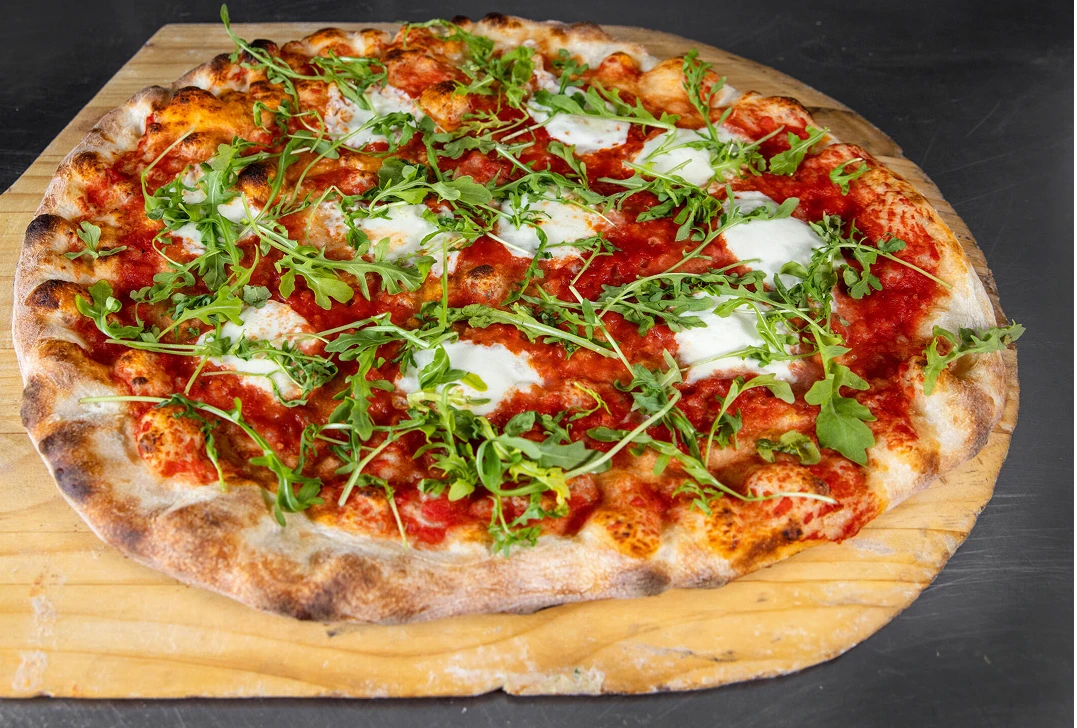
Cheese pizza rarely gets top billing. In a town with ambitious kitchens, seasonal produce, and diners who care deeply about sourcing, the plain pie can look almost too modest to matter. Yet that is exactly why it matters. If a pizzeria can make a memorable cheese pizza, it is usually doing many things right at once: dough fermentation, oven management, sauce balance, moisture control, and cheese selection. In Boulder, Colorado, that standard feels even sharper. People here expect comfort food, but they also expect quality.
The result is a local pizza culture where a simple cheese slice can say more about a kitchen than any loaded specialty pie. You notice the crust first, especially in a city where active lifestyles and strong food preferences shape ordering habits. Some customers want a crisp, foldable slice after a hike. Others want a slower meal, with a blistered crust and enough structure to hold up under a full blanket of mozzarella. Some want a nostalgic Friday night pie. Others want an artisanal version made with flour that has been handled with real care. Boulder makes room for all of these expectations, and that makes cheese pizza here more interesting than outsiders often assume.
Why the plain pie is the real test
A fully dressed pizza can hide its flaws. Pile on sausage, roasted vegetables, chile oil, and a sweet finish from caramelized onions, and many people stop noticing whether the crust has any life in it. Cheese pizza offers nowhere to hide. The sauce is exposed. The cheese coverage has to be deliberate. The crust has to carry the whole thing.
That is why professionals tend to judge a pizzeria by the cheese pie first. It reveals the kitchen’s habits. An under-fermented dough tastes flat and bakes pale. A rushed sauce tastes raw or aggressively acidic. Low-quality cheese separates into greasy pools or congeals the minute the pie cools. Even the cut matters. A cheese pizza that slides apart at the tip tells you something about how that dough was stretched, sauced, and baked.
In Boulder, where diners often pay attention to ingredient quality across the board, the bar is high. You can feel it in the way people talk about food here. They may not use technical terms, but they know the difference between a crust with character and one that is simply a delivery vehicle. They notice when the tomato has brightness instead of sugar, when the cheese tastes milky instead of salty, when the rim has enough char to deepen flavor without drifting into bitterness.
Boulder’s food culture shapes its pizza
Boulder is an unusual place to talk about comfort food because the city has long balanced indulgence with restraint. It is a town where someone can finish a bike ride, order a pizza, and still care very much whether the ingredients were thoughtfully chosen. That attitude influences what people expect from cheese pizza. They want satisfaction, but not sloppiness. They want richness, but not a heavy, forgettable pie.
That tension has quietly improved pizza standards. Operators know that Boulder customers are willing to pay for quality if they can taste the difference. Better flour, longer fermentation, higher quality mozzarella, and more disciplined sauce recipes matter here because people tend to notice them. At the same time, there is no appetite for culinary theater for its own sake. A cheese pizza in Boulder still has to deliver comfort. Nobody wants a lecture disguised as dinner.
Altitude also enters the conversation, even if most customers never think about it directly. Baking in Colorado is different. Dough behaves differently, proofing can move faster than expected, and moisture management matters. In pizza, those details affect texture more than many home cooks realize. A dough recipe that works at sea level may need adjustments in hydration, fermentation timing, or bake strategy to produce the same chew and browning in Boulder. When a local pizzeria consistently turns out a balanced cheese pie, there is technical competence behind that reliability.
What quality looks like on a cheese pizza
The best cheese pizzas share a handful of traits, but they are not all trying to achieve the same ideal. A New York-style slice and a wood-fired Neapolitan pie should not be judged by identical standards. What matters is internal consistency. Does the pizza do what that style promises?
A strong cheese pizza usually gets the following right:
- A crust with real flavor, not just texture
- Sauce that supports the cheese rather than overwhelms it
- Cheese distribution that melts evenly and browns with control
- A bake that suits the style, whether crisp, pliable, airy, or lightly charred
- Balance from the first bite to the last, including the plain outer crust
That balance sounds abstract until you taste a pie that misses it. Too much sauce and the center turns soupy. Too little and the pizza eats dry. Too much cheese and every slice collapses under its own fat. Too little and the whole thing feels stingy, especially if the crust is thick. Even salt matters more on a cheese pizza than it does on a pie loaded with assertive toppings. The Cheese Pizza Boulder, Colorado margin for error is narrow.
One practical measure I have always trusted is the second slice test. The first slice is about hunger. The second tells you whether the pizza is actually good. A well-made cheese pizza should become more impressive as you keep eating. You start noticing the fermented wheat, the tomato acidity, the stretch and pull of the cheese, the edge that crackles and then softens slightly as it cools. In Boulder, the places that understand this tend to build loyal followings without needing gimmicks.
The dough does most of the talking
Ask experienced pizza makers what matters most, and many will start with dough. Not because cheese and sauce are secondary, but because dough sets the terms for everything else. It controls structure, chew, aroma, browning, and how the toppings sit on the pie.
In Boulder, a good dough program often reflects patience. Long fermentation creates deeper flavor and a more digestible feel, at least in the practical, everyday sense most diners mean when they say a pizza feels lighter. You can taste when a dough has had time. The crust develops a faint sweetness and nuttiness, and the interior has an open, resilient crumb instead of a tight, bready center.
Hydration matters too. A wetter dough can create a more open structure, but it also demands skill in handling and baking. At altitude, that equation can get tricky. A dough that is beautifully airy one day may become harder to manage when the kitchen is dry or the proof runs ahead. That is one reason consistency deserves respect. A pizzeria that turns out a strong cheese pizza on a busy Friday night is showing more than good intentions. It is showing control.
There is also the question of style. Boulder diners can appreciate a range of crusts, from thin and crisp to puffy and blistered. A cheese pizza works across those styles, but the toppings need to be scaled accordingly. Thick crust asks for a little more sauce. Very thin crust needs restraint or it loses its snap. Great pizza makers know this instinctively.
Sauce is not a background player
Cheese pizza teaches you how much tomato matters. On a heavily topped pie, sauce can function almost like lubrication. On a plain cheese pizza, it is one of the main voices. If it is too sweet, the whole pie tastes childish. If it is aggressively seasoned, the herbs flatten everything else. If it is too sparse, the cheese dominates and the crust feels unfinished.
The best pizza sauces tend to show restraint. They taste like tomato first. Salt is present but measured. Garlic is supportive, not loud. Oregano can be useful, but it should not make the pie taste like a dried spice rack. In Boulder, where many kitchens take ingredients seriously, the better versions lean clean and bright. They allow acidity to do some of the work.
There is also a textural issue that home cooks often overlook. A watery sauce can wreck a pizza. So can one that has been cooked down too far. You want enough body to stay in place and enough freshness to cut through the dairy. When that balance lands, cheese pizza tastes vivid instead of heavy.
Cheese, and the case for restraint
Mozzarella sounds simple until you work with it at volume. Moisture level, fat content, shred size, temperature before baking, and blend ratios all change the final result. Some shops use a whole-milk mozzarella for richness. Others cut it with part-skim to control grease and improve browning. Some add a dusting of parmesan or pecorino after the bake to sharpen flavor. None of these choices are automatically right or wrong. The question is whether the cheese supports the style of pizza being made.
A common mistake is assuming more cheese equals better pizza. It usually does not. Too much cheese mutes the crust and makes the pie one-dimensional. A proper cheese pizza should still taste like bread and tomato, not just dairy. Boulder diners who care about quality tend to appreciate that kind of balance. The pizza feels generous without becoming leaden.
There is a practical clue you can watch for when the box opens. If a thick orange grease layer has already formed across the surface, something is off. That might be a low-quality cheese blend, poor bake balance, or simply too much cheese. A little sheen is normal. A greasy top that coats your fingertips before you even lift a slice is not a sign of excellence.
The difference between comfort and compromise
Cheese pizza sits in an interesting place culturally. It is nostalgic, affordable by comparison to loaded pies, and easy to share. Families order it because children love it. College students order it because it is reliable. Serious eaters order it because it is revealing. In Boulder, that overlap matters. This is a city where the same pie might need to satisfy a seven-year-old, a runner with exacting food standards, and a grandparent who just wants dinner to taste honest.
That is where the best local pizza culture distinguishes itself. It does not confuse simplicity with corner-cutting. A quality cheese pizza should feel comforting without feeling cheap. That sounds obvious, but many restaurants still miss it. They treat plain pizza as a fallback item rather than a flagship. The best places do the opposite. Their cheese pie is central to the menu because it reflects the kitchen’s confidence.
I have seen this dynamic play out countless times in busy dining rooms. A table orders one elaborate specialty pie and one cheese pizza “for the kids.” The adults end up reaching for the cheese slices first. That is not an accident. A well-made cheese pizza is direct. It satisfies quickly, but it also holds attention. There is no novelty factor to burn off. If it is good, you keep coming back to it.
How to judge Cheese Pizza Boulder, Colorado style
When people search for Cheese Pizza Boulder, Colorado, they are usually looking for one of two things. They either want the most reliable place to satisfy a straightforward craving, or they want to know which local spots take the humble cheese pie seriously. Those are related questions, but not identical ones.
If your goal is comfort, focus on consistency. You want a shop that can produce a solid pie on a random Tuesday, not just when the stars align. If your goal is quality, pay closer attention to the plain details: the edge color, the underside bake, the aroma of the crust, the sauce-to-cheese ratio. Specialty toppings can distract. Cheese pizza clarifies.
A few useful signs stand out when you are deciding where to order:
- The cheese pizza is prominently featured, not buried as an afterthought
- The crust tastes developed even when eaten plain at the edge
- The center slice holds together without turning soupy
- The sauce tastes fresh and balanced rather than sugary
- The pie is as appealing ten minutes in as it is straight from the oven
That last point matters more than many people realize. Some pizzas are built for immediate impact and fade fast. Others stay composed as they cool. A great cheese pizza should still be worth eating while standing over the kitchen counter for slice three.
Dining in versus taking it home
Cheese pizza changes noticeably between oven, box, and plate. If you want to understand a pizzeria at its best, eat on site when possible. The crust stays crisper, the cheese remains in its ideal texture window, and the aroma of the pie is much more expressive. This is especially true for lighter, wood-fired styles that can steam themselves in a box within minutes.
That said, takeout is part of real pizza life, and any serious discussion should respect that. In Boulder, plenty of people are carrying pies home after work, to a park, or back from the foothills after an afternoon outside. A good pizzeria knows how its pizza travels. It may vent the box, adjust bake time slightly, or use a different cheese ratio for delivery-heavy business.
There are trade-offs. A pizza that excels in the dining room may soften in the box. A sturdier New York-style pie might travel better than a delicate Neapolitan one. That does not mean one is superior. It means you should Cheese Pizza Boulder, Colorado order with context in mind. If you are feeding a group at home, a style that holds heat and structure for twenty minutes may be the smarter choice, even if a more delicate pie has a slightly higher ceiling straight from the oven.
Price, value, and Boulder expectations
Pizza pricing has changed everywhere, and Boulder is no exception. Ingredient costs are up, labor is expensive, and rent is rarely forgiving. A quality cheese pizza now sits in a different economic category than it did a decade ago. That can create sticker shock, especially for something many people still think of as the most basic thing on the menu.
But value in pizza is not just about size. It is also about satisfaction and ingredient integrity. A thoughtfully made cheese pizza with excellent dough, balanced sauce, and quality mozzarella may cost more than a bargain pie, but it often leaves diners feeling better served. The meal is more memorable, and the leftovers, if there are any, tend to reheat better because the structure was right to begin with.
Boulder diners usually understand this trade-off, though not without limits. People will pay for quality, but they expect the product to show its work. If the crust tastes generic, or the cheese feels low-grade, the price becomes much harder to justify. The market here rewards places that pair comfort with craft, not places that hide average pizza behind upscale branding.
What locals often appreciate most
For all the talk of fermentation curves and moisture percentages, most people are not looking for a technical lecture when they order dinner. They want a pizza that feels dependable and rewarding. In Boulder, local loyalty often grows around places that do the basics with unusual care. The cheese pie arrives hot, cut evenly, baked with confidence, and seasoned just enough. You can taste intention without feeling managed.
That is the sweet spot. A town known for quality food does not need cheese pizza to be reinvented. It needs it to be respected. The best versions honor what made cheese pizza beloved in the first place: bread, tomato, cheese, heat, and the kind of pleasure that never needed extra explanation.
For anyone exploring Cheese Pizza Boulder, Colorado, the smartest move is to keep your standards simple and sharp. Look for a crust that stands on its own. Look for sauce with brightness. Look for cheese that tastes like part of the pizza rather than a blanket thrown over it. Then pay attention to whether you want another slice after the first one. That instinct is rarely wrong.
A great cheese pizza does not ask for admiration. It earns repeat orders. In Boulder, where diners bring both high expectations and a real appetite for comfort, that is exactly what makes the plain pie worth talking about.
Brooklyn Pizza
Address: 1647 Arapahoe Ave, Boulder, CO 80302
Phone number: +17203282324
FAQ About Cheese Pizza Boulder, Colorado
What is usually on a cheese pizza?
A standard cheese pizza consists of a yeast dough crust, a seasoned tomato-based sauce, and melted mozzarella cheese.
What is a cheese pizza called?
A basic cheese pizza is simply called a cheese pizza, a plain pizza, or a plain pie.
What is the best recipe for cheese pizza?
The best cheese pizza recipe uses high-heat baking, a simple raw tomato sauce, and a mix of low-moisture and fresh mozzarella cheese on a homemade yeast dough.